Milky Jelly: A Delicate Script Font
As I sat down to design the promotional graphics for a seasonal sale, the first thing I needed was a font that felt both elegant and approachable. Milky Jelly was the perfect choice. Its soft curves and flowing lines brought a sense of refinement without being too formal, making it ideal for a campaign targeting a modern, style-conscious audience.
When I first opened the font file, I noticed the variety of styles included—ligatures, alternates, and different weights. This made it easy to adapt to different parts of the campaign, from headlines to subtle accents. The font’s personality is gentle and inviting, which aligns well with brands looking to communicate warmth and creativity.
Visual Style and Personality
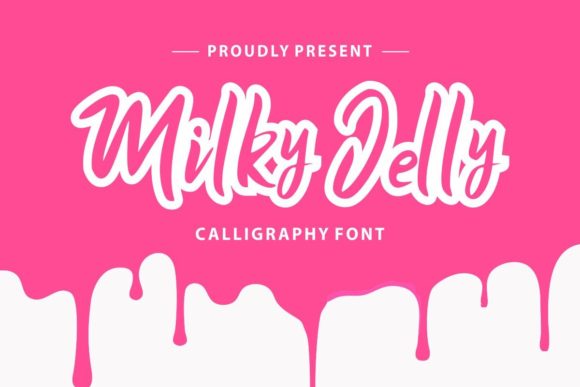
Milky Jelly has a soft, almost liquid-like quality to its strokes. It’s not overly ornate, but it carries a sense of sophistication that works well in digital environments. The font feels like it was designed with both aesthetics and usability in mind, making it a great fit for social media content where visual appeal is key.
In a recent project, I used Milky Jelly for a product teaser on Instagram. The font added a touch of class to the visuals without overwhelming the message. It worked especially well when paired with a clean sans serif font, allowing the text to stand out while maintaining a balanced look.
Use Cases in Digital Campaigns
One of the most practical uses for Milky Jelly is in social media graphics. Whether it's an Instagram post, a YouTube thumbnail, or a Pinterest pin, the font adds a refined touch that can elevate the overall look of the content. Its readability on smaller screens makes it a good option for mobile-first designs.
I also tested it on a webinar banner, where it served as the main headline. The font’s fluidity gave the design a dynamic feel, drawing attention without being too distracting. It’s particularly effective when used in short, impactful phrases that need to grab attention quickly.
Readability and Design Considerations
While Milky Jelly is visually appealing, it’s important to consider how it performs in different contexts. On mobile screens, the font remains legible, especially when used at larger sizes. However, it’s best avoided for long paragraphs or dense information, as the script style can make reading more challenging.
For digital ads, I found that using Milky Jelly as a callout or headline worked well. It complemented the main message without competing with the imagery. When designing for dark backgrounds, the font still held up, though I preferred using a slightly bolder weight to ensure contrast.
Font Pairing and Brand Consistency
Pairing Milky Jelly with a complementary typeface can enhance the overall design. A simple sans serif like Lato or Montserrat provides a nice counterbalance, offering clarity and structure. For a more traditional look, pairing it with a serif font like Playfair Display can add depth and elegance.
When working on a branded template pack, I used Milky Jelly for headers and logos, while sticking to a clean sans serif for body text. This approach helped maintain consistency across all materials while allowing the script font to shine where it was most effective.
Campaign Situations to Avoid
There are certain scenarios where Milky Jelly may not be the best choice. For example, in formal corporate communications or detailed reports, the font might come across as too casual. Similarly, using it in small text sizes or on cluttered layouts can reduce its effectiveness.
It’s also important to check the font’s licensing before using it in commercial projects. Making sure that the license covers the intended use, whether for digital ads, merchandise, or client campaigns, is crucial to avoid any legal issues down the line.
Overall, Milky Jelly is a versatile and stylish script font that can add a touch of class to a wide range of digital campaigns. Its delicate yet confident presence makes it a valuable addition to any designer’s toolkit, especially when the goal is to create a visually engaging and emotionally resonant brand experience.